In liquid level monitoring, accuracy, stability and environmental adaptability are the core indicators to measure sensor performance. Firstrate capacitive water level sensor is designed for liquid level measurement and control applications in complex environments. It integrates high reliability and intelligent features and is widely used in sanitation, coal mining, water conservancy, petroleum, environmental protection and other industries, helping customers achieve efficient and stable liquid level management.
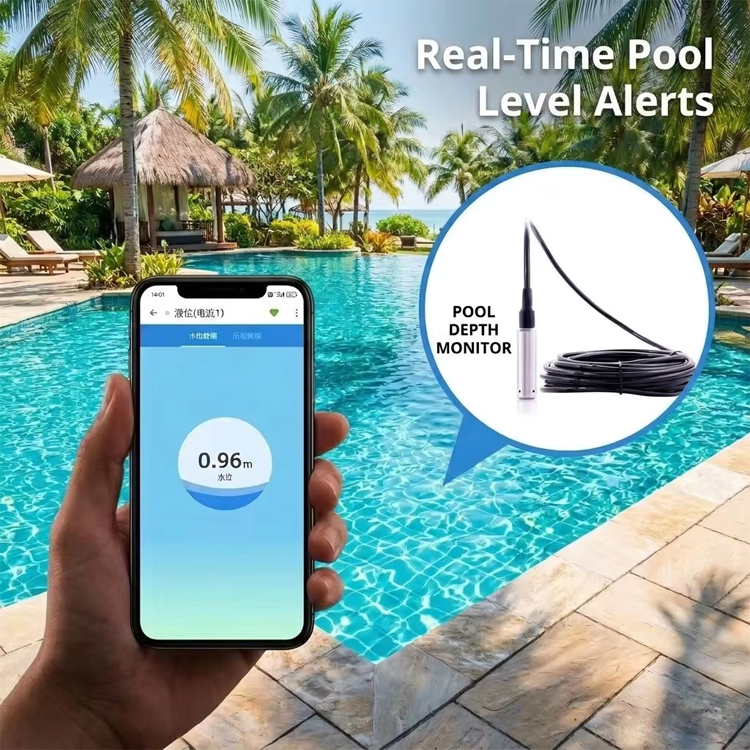
The capacitive water level sensor adopts advanced capacitance detection principle to accurately sense the liquid level through the capacitance change between the inner and outer electrodes. The internal structure of the capacitive water level sensor is exquisite. The sensing electrode and the shell form a coaxial capacitor. When the water enters, the capacitance value changes with the liquid level, and the system outputs the corresponding standard signal according to the change.
Compared with traditional liquid level measurement equipment, capacitive water level sensors have significant advantages in installation convenience and anti-interference ability. The device supports multiple installation methods and has strong adaptability, which is convenient for deployment in scenes with limited space or complex environment. The capacitive water level sensor has surge protection, overcurrent protection and reverse polarity protection, which can effectively deal with power fluctuations and external electromagnetic interference, and ensure the stable operation of the equipment in the industrial field. Even under extreme conditions such as strong vibration and high humidity, the sensor can continue to provide accurate data.
capacitive water level sensor provides a variety of signal output options, including current (4-20mA), voltage (0-5V, 0-10V) and digital communication (RS485, RS232, compatible with Modbus protocol), to meet the user's access needs in different system architectures. Whether it is a PLC automation system or a remote monitoring platform, the sensor can achieve rapid docking and improve the overall system integration efficiency.
The capacitive water level sensor uses a linear compensation algorithm to ensure that the measurement data is more consistent and accurate. The overall structure of the sensor is encapsulated with a sturdy and anti-corrosion material, which is suitable for a variety of liquid media, including clean water, sewage, etc. It is especially suitable for long-term use in harsh working conditions, with low maintenance frequency and low operating cost.
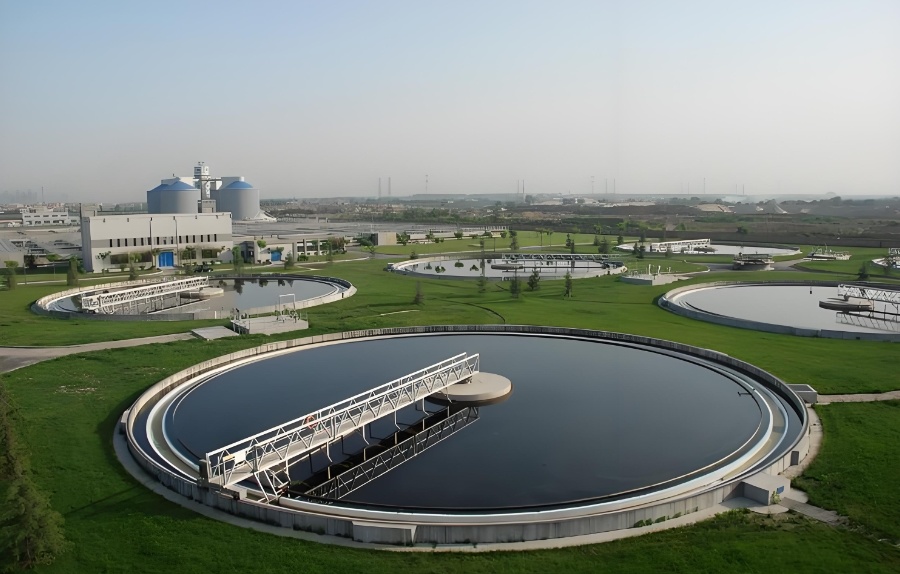
In practical applications, whether it is sewage tank level monitoring in urban sanitation systems, safety management of underground water pools in coal mines, or liquid inventory control in oil tanks and storage tanks, capacitive water level sensors have shown stable performance. It not only improves operating efficiency, but also reduces safety hazards and resource waste caused by abnormal liquid levels for enterprises.