More and more modern measurement and control equipment are beginning to evolve towards intelligence, wireless, and low power consumption. In the traditional industrial automation process, pressure is one of the most common physical quantities, and the accuracy and real-time performance of its data collection directly affect the stability and safety of the system. However, faced with practical problems such as the wide distribution of pipe networks, difficult wiring construction, and scattered monitoring terminals, traditional wired pressure sensors have gradually shown their limitations, especially in monitoring scenarios such as water, fire protection, and industrial control in unattended or harsh environments. Reliable and flexible wireless pressure sensors have become the industry's solution.
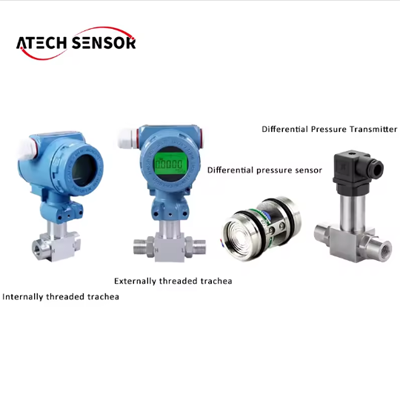
First AS100 wireless pressure sensor adopts advanced low-power design, built-in 8000mAh high-performance lithium battery, no external power wiring required, truly ready to use, and greatly reduces construction and maintenance costs. Relying on mainstream wireless communication technologies such as NB-IoT, 4G or LoRaWAN, the collected pressure data can be stably transmitted to the cloud platform, and users can remotely monitor through computers or mobile phones to achieve efficient data management and equipment operation and maintenance. Whether it is a wild water source, an urban underground pump room, or an aerial equipment platform, wireless pressure sensors can easily handle it.
In terms of performance, wireless pressure sensors use imported diffused silicon sensor cores and digital compensation circuits, with high precision, high frequency response, and excellent long-term stability. Its measurement range covers -100KPa to 6MPa, suitable for pressure detection of various liquids, gases or steam, and is compatible with 304316L stainless steel materials, with strong medium adaptability and high versatility. At the same time, it supports local LCDLED display, which is convenient for on-site reading of the current pressure status, and is widely used in fire water pressure monitoring, industrial equipment pipeline monitoring, pump station system monitoring and other occasions.
In order to meet the needs of different industries, wireless pressure sensors provide a variety of wireless communication protocols (such as CoAP, MQTT, etc.) and platform docking solutions, which can be seamlessly connected to the existing smart management system to realize intelligent management functions such as remote equipment status monitoring, historical data backtracking, and abnormal warning. Even in areas with weak signals and complex environments, the equipment can still maintain good data transmission stability and low latency.
The product structure adopts 304 stainless steel or aluminum die-cast shell, with IP65 protection level, supports multiple safety protection designs such as moisture-proof, dust-proof, lightning protection, and anti-electromagnetic interference, and can work stably for a long time in an ambient temperature of -20°C to 60°C. It is particularly suitable for on-site installation under complex working conditions such as water, electricity, chemical industry, and construction.
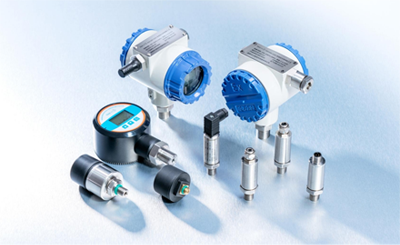
At present, wireless pressure sensors have been widely used in urban water supply systems, water plant automation, sewage treatment projects, fire remote pressure monitoring systems, and remote inspection scenarios of industrial equipment. It not only solves the problems of difficult wiring and high maintenance costs of traditional pressure sensors, but also provides industrial users with a more flexible and intelligent monitoring method, helping enterprises improve operating efficiency and ensure system safety.