Dissolved oxygen content is a core indicator for measuring water ecological health and optimizing water treatment processes. The Dissolved Oxygen Sensor, with its core advantages of high protection, strong adaptability, and easy installation, has become an ideal monitoring tool in fields such as tap water, sewage treatment, aquaculture, and environmental monitoring, providing real-time and reliable data support for water management.
As a "precision sentinel" for water quality monitoring, the core function of this sensor is to real-time capture the dissolved oxygen content in water within the range of 0…40mg/l (ppm), while covering the temperature measurement range of 0…60℃, accurately reflecting the oxygen supply and biological activity status of water. Whether evaluating the eutrophication degree of natural water bodies or regulating the redox reactions in sewage treatment, its equipped H2010 sensitive oxygen membrane can ensure the stability of monitoring data, laying a solid data foundation for water quality evaluation and process optimization.
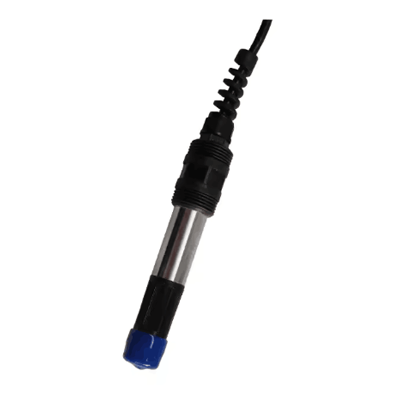


The ability to adapt to harsh environments is the core competitiveness of the product. The sensor is housed in ABS anti-corrosion material, featuring strong corrosion resistance and long-term tolerance to various water erosion. Combined with the IP68 highest protection level, it can completely resist dust intrusion and realize long-term underwater immersion work, adapting to complex field environments and humid working conditions without additional waterproof devices. Meanwhile, the 0…4bar pressure-resistant design is suitable for water bodies of different depths and pipeline monitoring needs, avoiding damage to the equipment caused by high-pressure environments and greatly extending the service life.
The characteristics of easy installation and continuous monitoring significantly reduce operation and maintenance costs. With a compact design and M39*1.5 process connection specification, the product can be flexibly installed on pipe seats or flow cells, enabling rapid deployment without complex construction. It also supports multiple electrical connection methods such as pins, BNC, and Y-type tabs, adapting to the integration needs of different monitoring systems. It realizes 24/7 online continuous monitoring, replacing the traditional manual sampling and inspection mode, and greatly improving monitoring efficiency and data timeliness.
From the safety monitoring of water sources in waterworks, the regulation of aeration processes in sewage treatment plants, to the optimization of aquaculture water environments and the ecological monitoring of natural water bodies, this sensor can accurately meet scenario requirements. Its stable operation performance and precise monitoring capability can help users timely capture abnormal changes in water quality, provide scientific basis for pollution early warning and process adjustment, assist in achieving refined water quality management, and balance ecological protection and production efficiency improvement.