In today’s world, tracking environmental conditions is more important than ever. From climate change plus air pollution to industrial safety and smart agriculture, understanding the environment around us is vital for reaching well-informed decisions.
This is where environmental sensors, also known as environmental monitoring sensors, serve an essential function. These sensors are designed to measure physical, chemical, and biological conditions in the environment, providing real-time data that helps improve safety, efficiency, and sustainability.
Environmental sensors are widely used in fields such as agriculture, manufacturing, meteorology, smart cities, and building management. They help detect changes in temperature, humidity, air quality, noise levels, and many other ecological conditions. In this article, you will learn what environmental sensors are, the main types available, and how they are used through different applications.
What Are Environmental Sensors?
Environmental sensors are devices used to detect and measure various environmental parameters such as temperature, humidity, air quality, light, noise, and more. These sensors convert physical or chemical changes to electrical signals, which can then be analysed and used for monitoring and control purposes.
They are frequently integrated into larger systems, such as environmental monitoring networks or IoT platforms, permitting data to be collected, stored, and analysed in real time. This enables better decision-making and automation in many industries.
Environmental sensors are essential instruments for comprehending both natural and man-made environments, helping to improve efficiency, safety, and sustainability.
Why Are Environmental Monitoring Sensors Important?
Environmental monitoring sensors are critical because they provide continuous, real‑time data on key environmental conditions such as air quality, water purity, temperature, humidity, and pollutant levels. This data is essential for understanding and managing environmental health, not just reacting after problems occur. Continuous monitoring enables faster identification of emerging risks and supports data‑driven decision‑making across industries and governments.
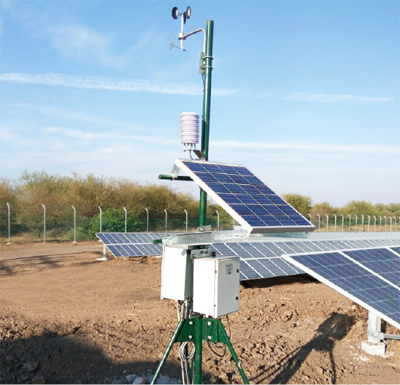
According to environmental experts, monitoring systems help detect subtle changes in environmental parameters before they escalate into larger crises, serving as an early warning system for pollution spikes, hazardous conditions, and ecosystem stress.
These sensors are used to:
- Improve air and water quality: Tracking concentrations of pollutants (such as PM2.5, NO₂, heavy metals, and bacteria) helps authorities and companies take corrective action to protect public health and aquatic life.
- Enhance workplace safety: Real‑time measurements of gases and toxic substances allow workplaces to respond quickly to unsafe conditions, reducing health risks and regulatory penalties.
- Support smart agriculture: Soil moisture, temperature, and nutrient sensors enable precision irrigation and fertilization, increasing crop yields while conserving resources.
- Monitor climate and weather conditions: Continuous tracking of environmental variables helps meteorologists and climate scientists understand long‑term trends and improve forecasts.
- Optimise energy usage in buildings: Environmental data assists facility managers in adjusting HVAC and lighting systems for efficiency and occupant comfort.
Without these sensors, it would be difficult to detect environmental alterations early, quantify risks accurately, or allocate resources efficiently for mitigation and sustainability. Environmental monitoring transforms guesswork into actionable insights that protect human health, preserve ecosystems, and support compliance with environmental regulations.
Types of Environmental Sensors and Their Uses
There are many types of environmental sensors, each created to measure a individual parameter. Below are the most common types and their applications.
1. Temperature and Humidity Sensors
Temperature and humidity sensors are among the most widely used environmental monitoring sensors. They measure ambient temperature and the amount of moisture in the air.
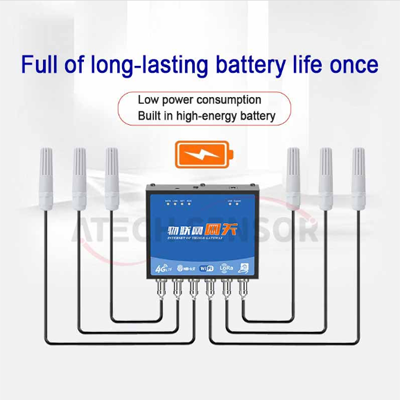
These sensors are essential because temperature and humidity directly affect human well-being, equipment performance, and biological processes. For example, extreme temperature or humidity levels can negatively impact health and reduce productivity.
Uses
- Smart homes and HVAC systems
- Agriculture and greenhouses
- Data centres and server rooms
- Industrial processes
Keeping the right temperature and humidity levels secures optimal conditions for both people and equipment.
2. Air Quality Sensors
Air quality sensors are designed to detect pollutants and harmful gases in the air. They measure elements such as PM2.5, PM10, carbon dioxide (CO₂), volatile organic compounds (VOCs), and other harmful substances.
Poor air quality may lead to serious health problems, including lung diseases and long-term illnesses. Monitoring air quality helps prevent these risks and secures a safer environment.
Uses
- Indoor air quality monitoring
- Industrial safety systems
- City pollution monitoring
- Smart city applications
These sensors are especially important in areas with high pollution rates or industrial activity.
3. Noise Sensors
Noise sensors, also known as sound level sensors, measure the intensity of sound in the environment. Environmental noise can come from traffic, industrial activities, construction, or daily human activities.
Long-term exposure to high noise levels can result in hearing loss, stress, and other health issues.
Uses
- Urban noise monitoring
- Industrial workplace safety
- Ecological effect evaluations
- Smart city planning
Noise monitoring assists toward maintaining a healthy and comfortable living environment.
4. Light Sensors
Light sensors measure the intensity of light in a given area. They are necessary for applications that depend on proper lighting conditions.
In agriculture, light plays a key role in plant growth and photosynthesis. Monitoring light levels helps optimise crop production.
Uses
- Smart lighting systems
- Agriculture and greenhouses
- Solar energy systems
- Building automation
Light sensors help improve energy effectiveness and ecological control.
5. Atmospheric Pressure Sensors
Atmospheric pressure sensors measure air pressure in the environment. These sensors are commonly used in weather monitoring and forecasting.
Changes in atmospheric pressure can indicate upcoming weather conditions, such as storms or clear skies.
Uses
- Weather stations
- Aviation systems
- Environmental monitoring
- Industrial processes
They play an important role in forecasting weather patterns and securing safety.
6. Soil Sensors
Soil sensors are used to monitor soil conditions, including moisture, temperature, pH, and nutrient content. These sensors are critical to modern agriculture and smart farming.
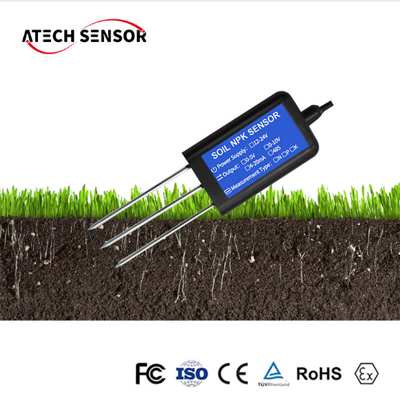
They help farmers understand soil conditions and make better decisions regarding irrigation and fertilisation.
Uses
- Precision agriculture
- Irrigation systems
- Environmental research
- Landscaping
Soil sensors improve crop yield and reduce resource wastage.
7. Water Quality Sensors
Water quality sensors measure parameters such as pH, dissolved oxygen, turbidity, and contaminants in water. These sensors are critical for guaranteeing safe water for drinking, agriculture, and industrial use.
Uses
- Water treatment plants
- Aquaculture
- Environmental protection
- Industrial wastewater monitoring
They help maintain water safety plus compliance with ecological regulations.
8. Wind Speed and Direction Sensors
Wind sensors measure wind speed and direction, which are important for weather monitoring and environmental analysis.
They are widely used in agriculture and environmental studies to understand weather patterns and pollution spread.
Uses
- Weather stations
- Wind energy systems
- Agriculture
- Air pollution studies
These sensors supply useful data for forecasting and planning.
Applications of Environmental Sensors
Environmental sensors are used in a wide range of industries and applications, including:
1. Smart Cities
In smart cities, environmental sensors monitor air quality, noise levels, traffic conditions, and other environmental aspects. By providing real-time data, these sensors help city authorities reduce pollution, optimise urban planning, and respond quickly to incidents, making safer and more ecological urban environments.
2. Agriculture
Environmental sensors play a key function in modern agriculture by measuring temperature, humidity, soil moisture, and light conditions. Farmers can use this data to optimise irrigation, fertilisation, and crop management, resulting in higher yields, productive resource use, and healthier plants. Precision farming relies heavily on these sensors for well-informed, data-based decisions.
3. Industrial Environments
In factory environments, sensors monitor temperature, humidity, air quality, and other environmental conditions for providing safety and efficiency. They help prevent equipment damage, chemical hazards, and energy inefficiencies, while securing compliance with workplace safety and environmental regulations.
4. Environmental Protection
Sensors are essential for environmental protection as they monitor air and water pollution, track natural resources, and assess ecosystem health. This information supports research, regulatory compliance, and preventive actions to preserve a safe and sustainable environment.
5. Disaster Prevention
Environmental sensors are extremely useful in noticing early indications of natural disasters such as fires, landslides, floods, or extreme weather events. By providing real-time data, these sensors allow authorities and communities to take preventative action and minimise potential damage.
6. Integrated Systems for Complete Monitoring
When combined into integrated systems, environmental sensors provide a complete overview of environmental conditions. This enables better planning, automation, and sustainability across multiple sectors, from urban management to agriculture and industrial operations.
They are often combined into integrated systems to provide a complete view of environmental conditions.
Common Environmental Sensors and Their Functions
Sensor Type | What It Measures | Main Applications |
Temperature & Humidity | Heat and moisture | HVAC, agriculture, data centres |
Air Quality Sensor | Pollutants and gases | Smart cities, health monitoring |
Noise Sensor | Sound levels | Urban planning, workplace safety |
Light Sensor | Light intensity | Agriculture, automation |
Pressure Sensor | Atmospheric pressure | Weather forecasting |
Soil Sensor | Moisture, nutrients | Farming, irrigation |
Water Quality Sensor | pH, oxygen, turbidity | Water treatment, aquaculture |
Wind Sensor | Wind speed and direction | Meteorology, energy systems |
FAQs
1. What are environmental sensors used for?
Environmental sensors are used to continuously monitor physical, chemical, and biological conditions such as temperature, humidity, air quality, and noise levels. They deliver live data that helps industries, governments, and researchers improve safety, efficiency, and environmental protection across a variety of applications.
2. What is the most common environmental sensor?
Temperature and humidity sensors are the most widely used environmental sensors because they are flexible and important for multiple applications. They monitor climate conditions in homes, offices, agriculture, greenhouses, data centres, and industrial environments, providing safety and efficiency.
3. Why are air quality sensors important?
Air quality sensors are essential since they detect harmful pollutants and gases such as PM2.5, PM10, carbon dioxide, and volatile organic compounds. Monitoring air quality helps protect public health, prevent environmental hazards, and maintain conformity with safety and ecological regulations.
4. Where are environmental sensors used?
Environmental sensors are used across smart cities, industrial facilities, agricultural farms, weather stations, and environmental monitoring systems. They collect valuable data to optimise operations, handle resources efficiently, and protect the environment in both urban and rural settings.
5. Can environmental sensors work together?
Yes, environmental sensors can be integrated into extensive monitoring systems, allowing multiple parameters to be tracked simultaneously. This provides a complete understanding of environmental conditions, enabling better decision-making, automation, and lasting sustainability across several applications.
Conclusion
Environmental sensors are now indispensable tools in today’s data-centric world. They give useful insights into environmental conditions, helping individuals and organisations make better decisions. From monitoring air quality and temperature to improving farm productivity and guaranteeing industrial safety, environmental monitoring sensors play a key role within modern life. By using the right combination of sensors, it is possible to create smarter, safer, and increasingly eco-friendly environments.
 | 8 in 1 LORA LORAWAN Moisture Temperature EC Salinity PH Integrated Soil Sensor | View Products |